Ever needed to measure something quickly when you did not have a ruler or tape measure anywhere near you? It happens all the time. Whether you are hanging wall hooks, checking a bolt size, working on a craft project, or seeing if a small item will fit into a box, being able to estimate small distances using household objects is a surprisingly practical skill.
Two inches (5.08 centimeters, or 50.8 millimeters) is one of the most widely used measurements in everyday manufacturing. It represents a sweet spot in product design—small enough to sit comfortably inside a pocket or hand, but large enough to offer strength and durability.
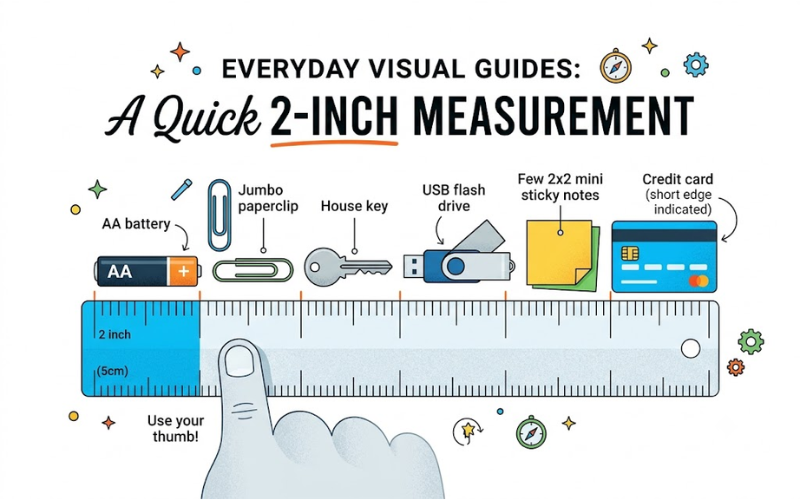
Below is a complete reference guide covering ten common items that hit the two-inch mark, along with practical tricks to help you measure distances on the fly.
Quick Reference BioWiki Table: The 2-Inch Benchmark 📊
Here is a quick breakdown of ten everyday items, their precise measurements, and how to use them as quick measurement stand-ins
| Object Name 📦 | Exact Measurement 📐 | Category 🏷️ | Everyday Measurement Use 💡 |
|---|---|---|---|
| AA Battery | 50.5 mm (1.99 in) | Household Electronics | Best cylindrical depth & length tool |
| Jumbo Paperclip | 50.0 mm (2.00 in) | Office / Stationery | Best straight, thin metal reference |
| Short Golf Tee | 50.8 mm (2.00 in) | Outdoor & Sports | Tapered wooden depth gauge |
| Hair Snap Clip | 50.0 mm (2.00 in) | Beauty & Accessories | Flexible curved surface reference |
| Standard Sewing Needle | 50.0 mm (2.00 in) | Sewing & Crafts | Precision thin wire gauge |
| LEGO Minifigure | ~40–50 mm (1.5–2.0 in) | Toys / Collectibles | Vertical height benchmark (with hair/hat) |
| Credit Card Short Edge | 53.98 mm (2.12 in) | Everyday Carry | Quick pocket wallet baseline |
| Standard House Key | ~50.0 mm (1.97 in) | Hardware & Security | Daily key-ring reference tool |
| Swivel USB Flash Drive | ~50.8 mm (2.00 in) | Tech Accessories | Closed rectangular length gauge |
| Mini Sticky Note (2×2) | 50.8 mm (2.00 in) | Stationery & Supplies | Perfect two-inch paper square |
1. The AA Battery 🔋
AA batteries measure 50.5 mm in total length. Source: Allelco
Dimensions and Standards
Under International Electrotechnical Commission (IEC) guidelines, a standard AA battery measures 50.5 millimeters long from its flat negative base to the tip of the positive terminal. That works out to 1.99 inches, coming within less than a hundredth of an inch of a true two-inch length.
Why It Makes a Great Gauge
Battery compartments demand strict tolerances so batteries from any brand fit securely. An Energizer, Duracell, or generic store battery will always match this exact length. When you need to estimate two inches on a flat surface or inside a small gap, setting an AA battery down gives you an instant measurement.
2. Jumbo Paperclips 📎
Jumbo paperclips measure 2 inches long. Source: Lion Office Products
Dimensions and Construction
A standard jumbo paperclip measures 50 millimeters (2 inches) long from outer loop to outer loop. They consist of steel wire folded into neat concentric loops.
Measuring Tips
Because metal wire can be unbent, paperclips are versatile. Unfolding one outer loop gives you a rigid wire segment, while keeping it folded provides a clean, flat two-inch line to lay against paper, fabric, or wood.
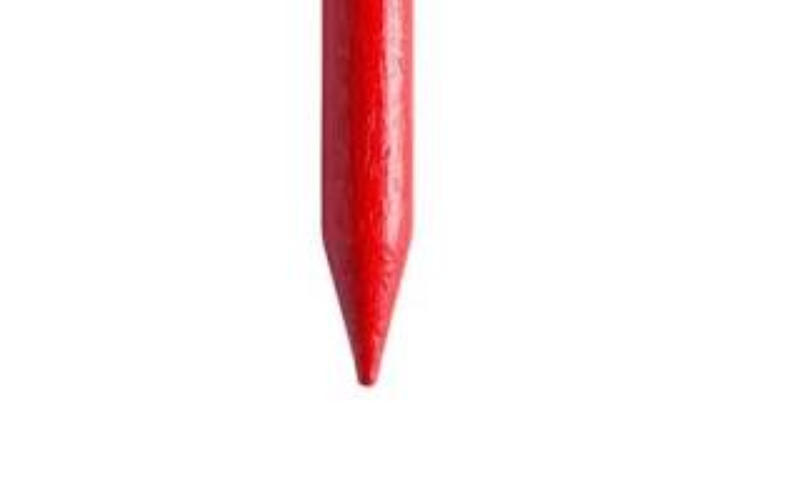
3. Short Golf Tees ⛳
Golfers use wooden or plastic tees to lift the ball off the turf for a clean drive or iron shot.
Slicing Down the Specs
While driver tees can stretch up to 3.25 or 4 inches, short tees meant for iron shots or par-3 holes measure 2 inches (50.8 mm) from the top cup to the pointed tip.
Everyday Utility
If you keep golf gear in your garage or car, a short tee serves as a handy wooden probe. The pointed end allows you to test hole depths or check narrow gaps up to two inches.
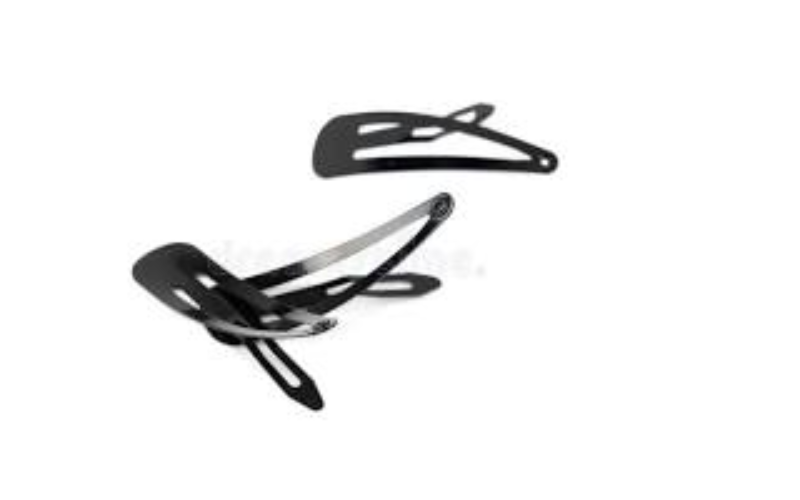
4. Hair Snap Clips 💇♀️
Hair snap clips rely on a curved metal leaf spring that pops open and snaps shut when pressed in the center.
The 2-Inch Industry Standard
While hair clips come in mini sizes for toddlers and larger decorative versions, the standard everyday snap clip found in multi-packs measures 50 millimeters (2 inches) long.
Measuring Curved Surfaces
The slight curve of a snap clip makes it useful for checking non-flat items. Laying it across rounded containers, pipes, or fabric edges helps you judge distances where a rigid ruler might wobble.
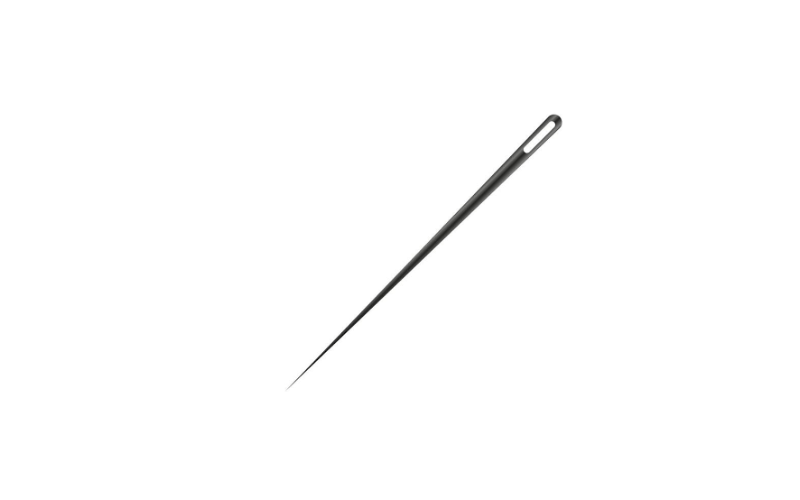
5. Standard Sewing Needles 🪡
Hand-sewing needles come in many variations—sharps, embroidery, darning, and tapestry needles—each designed for specific fabrics and threads.
Size Breakdown
The default household hand-sewing needle (typically a size 5 to 7 sharp) measures 2 inches (50.8 mm) long from the eye down to the point.
Precise Narrow Checks
Because needles are extremely thin, they slip easily into tight spaces where bulkier items like batteries cannot fit. You can slide a standard needle into small seams or thin structural cracks to gauge a two-inch depth.
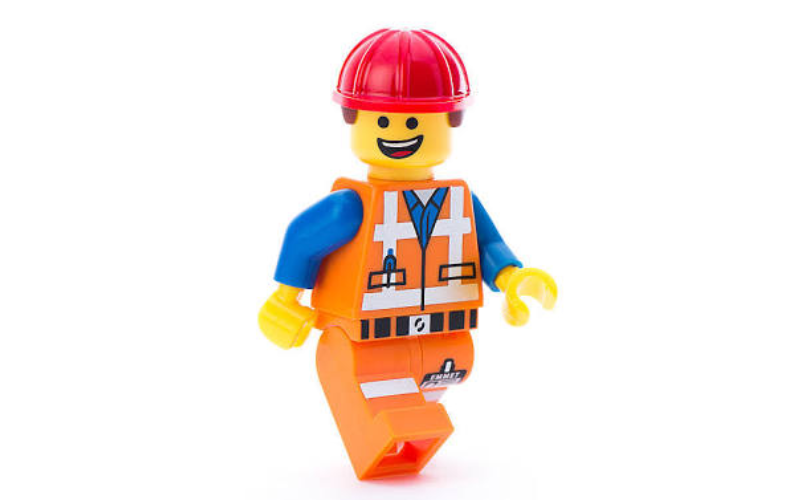
6. LEGO Minifigures 🧱
Created by the LEGO Group in 1978, the iconic plastic figure is a staple of playrooms worldwide. Beyond being fun, these figures are manufactured under strict geometric rules.
Height Breakdown
A plain LEGO minifigure without hair or headgear stands roughly 1.5 to 1.6 inches tall. However, once you attach standard hairpieces, fedoras, or construction helmets, the figure reaches right around 2 inches (50 mm) tall.
Manufacturing Precision
LEGO molds are built to micro-millimeter tolerances so that pieces made today snap together perfectly with bricks from decades ago. Keeping a figure on your desk gives you a quick, reliable two-inch vertical reference.
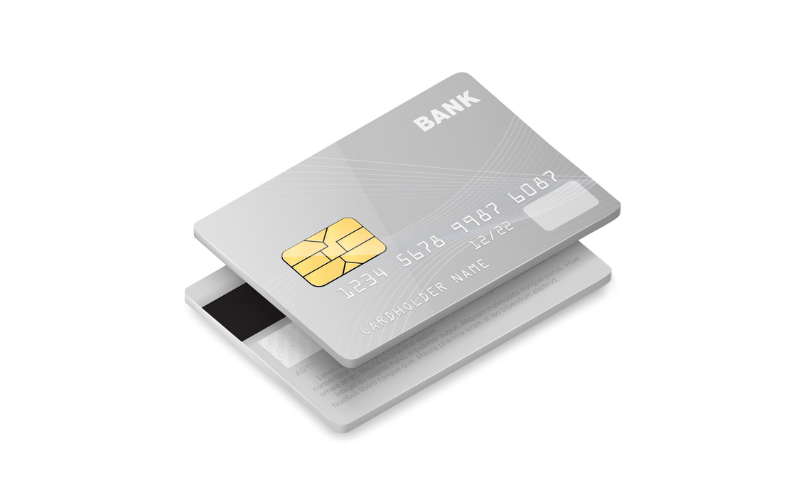
7. Short Edge of a Credit Card 💳
All standard payment cards, driver’s licenses, and ID cards follow the international ISO/IEC 7810 ID-1 standard.
Official Card Dimensions
The ISO spec dictates these exact measurements:
- Long Edge (Width): 3.370 inches (85.60 mm)
- Short Edge (Height): 2.125 inches (53.98 mm)
How to Use It
The short edge of a credit card is 2.125 inches—just an eighth of an inch past two inches. Since almost everyone carries a wallet card, it is one of the most readily available tools for quick estimations.
8. Standard House Keys 🔑
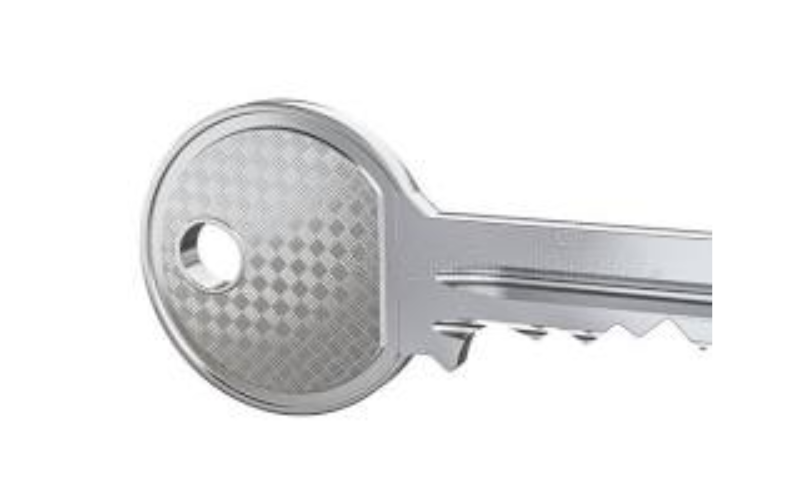
Residential door keys (such as standard Kwikset or Schlage key blanks) are designed to fit comfortably on keychains while remaining sturdy inside lock cylinders.
Dimensional Specs
A classic house key—measured from the flat top of the bow (the head you grip) to the sharp tip of the blade—measures approximately 1.9 to 2.0 inches.
Everyday Pocket Tool
Because your keys are almost always with you, they make durable, rigid metal reference points when shopping for small hardware, hooks, or fasteners.
9. Swivel USB Flash Drives 💾
The classic swivel USB drive featuring a metal protective clip that rotates open remains one of the most widespread tech giveaways and storage devices.
Physical Size
When the metal clip is closed over the USB head, these drives measure right around 2 inches (50.8 mm) long.
Ergonomic Design
The two-inch body length offers enough surface area for easy plugging and unplugging while keeping the drive compact enough to attach to a key ring.
10. 2×2 Mini Sticky Notes 📝
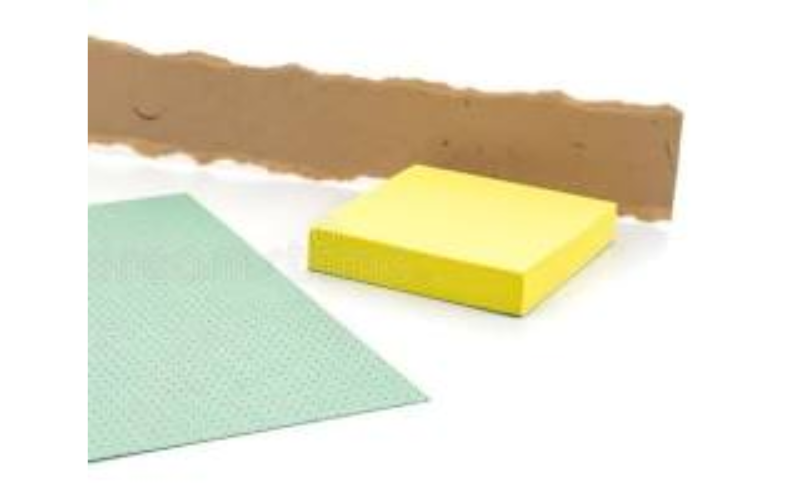
Post-it notes are famously known for their 3×3-inch yellow pads, but stationery brands also make smaller square pads for quick indexing and reminders.
Square Specifications
Mini square sticky notes are cut to an exact 2 inches by 2 inches (50.8 mm x 50.8 mm).
Paper Ruler Substitute
Because note pads are trimmed on high-precision paper cutters, each note provides clean two-inch edges. You can peel one off and press it directly onto surfaces to mark spacing or cut lines.
How Standardization Shapes Object Sizes ⚙️
Why do so many distinct objects—from paperclips to batteries and golf tees—land right on the two-inch mark? It stems from human ergonomics and manufacturing efficiency.
1. Ergonomics of the Human Hand
Two inches aligns closely with the width of two adult fingers held side-by-side. Objects built in this size range are easy to grip, turn, or manipulate without feeling cumbersome or fragile.
2. Packaging Efficiency
Standardizing component sizes around 2 inches (50 mm) lets manufacturers use uniform blister packs, tray layouts, and shipping boxes, minimizing empty space and reducing transportation costs.
3. Metric and Imperial Alignment
In metric countries, 50 millimeters (5 cm) is a standard benchmark unit. In imperial countries, 2 inches (50.8 mm) is the equivalent benchmark. Because 50 mm and 2 inches are nearly identical (differing by less than 1 millimeter), manufacturers can produce one global size that satisfies both markets.
Simple Visual Hacks to Estimate 2 Inches Anywhere 🧠
When none of the ten objects listed above are within reach, try these simple body and cash measurement tricks:
- The Two-Finger Method: Place your index and middle fingers together flat against a surface. For most adults, the width across the first knuckles measures right around 1.8 to 2 inches.
- The Dollar Bill Fold: A U.S. dollar bill measures 6.14 inches long. Folding it into three equal segments gives you sections that are just a fraction over two inches each.
- The Two-Quarter Line: A U.S. quarter has a diameter of roughly 0.95 inches. Placing two quarters edge-to-edge gives you a total length of 1.91 inches—just shy of two inches.
Related Post
Frequently Asked Questions (FAQs) 🤔
How many centimeters are in 2 inches?
There are 5.08 centimeters in 2 inches. To convert inches to centimeters, multiply the value by 2.54.
How many millimeters are in 2 inches?
There are 50.8 millimeters in 2 inches. In engineering, 50 mm is commonly used as a close metric equivalent.
Is an AA battery exactly 2 inches long?
An AA battery measures 50.5 mm, or 1.99 inches. It falls short of two inches by less than 0.01 inches, making it an exceptionally reliable stand-in.
Can I use a credit card to measure 2 inches?
Yes. The short edge of a credit card measures 2.125 inches (53.98 mm). Mentally accounting for a tiny sliver off the end gives you a quick two-inch estimate.
What body part is roughly 2 inches long?
For most adults, the distance from the top knuckle joint to the tip of the thumb measures about 1.9 to 2.1 inches.
Where would you like to explore next?
Explore household items that measure 1 inch long
Learn metric to imperial visual estimation tricks
Conclusion 💡
Having a quick grasp of two-inch measurements makes everyday estimating effortless—no tape measure required. Whether you rely on an AA battery, a jumbo paperclip, a house key, or the top joint of your thumb, keeping these common items in mind gives you an instant, reliable gauge wherever you are. By recognizing how industrial standards shape these everyday objects, you can easily turn simple household items into practical visual tools on the fly.
FOR MORE MEASUREMENTS VISIT: SIZE JOURNAL
1 thought on “10 Common Things That Are 2 Inches Long”