
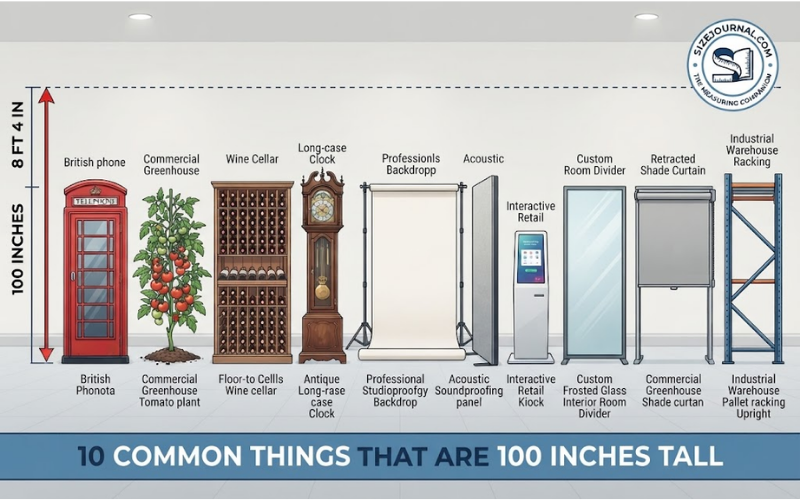
Measurements often fade into the background of our daily lives. We check a thermostat, eye up a doorway, or glance at a smartphone screen without giving a second thought to the raw math holding our physical world together. Yet, certain numbers serve as fascinating turning points in engineering, design, and nature. When you look specifically at how tall is 100 inches, you encounter a unique dimensional sweet spot. At 8 feet and 4 inches (or 2.54 meters), this height crosses the threshold between human scale and monumental scale.
It is the exact height where standard residential architecture begins to strain, forcing builders to look toward custom solutions, and where everyday objects transform into statement pieces. Shifting past standard construction limits opens up a completely different perspective on how we interact with vertical space. Examining this precise measurement reveals just how much engineering and design adapt when items stretch upward to the 100-inch threshold.
Quick Reference: The 100-Inch Blueprint ⏱️
- Total Height: 100 inches
- Feet and Inches Breakdown: 8 feet, 4 inches
- Metric Conversion: 2.54 meters (254 cm)
- Architectural Impact: Clears standard residential doors by 20 inches and typically requires high ceilings (9 feet or higher) to fit comfortably indoors.
- Core Application: Common benchmark for oversized retail displays, custom millwork, and large-scale residential glass installations.
10 Unique Things That Stand 100 Inches Tall 🏛️
While structural elements like walls and doors dictate our indoor environments, specialized objects push right up against that 100-inch ceiling barrier. Moving away from standard furniture reveals a fascinating category of items engineered precisely to this towering vertical scale.
1. Vintage Public Telephone Booths 📞
Classic walk-in British red telephone kiosks or vintage enclosed wooden phone booths found in historic municipal buildings were engineered to shelter adults comfortably while standing. Many of these iconic architectural street units measure right around 100 inches tall, ensuring tall pedestrians could step inside without ducking their heads.

2. High-Capacity Commercial Greenhouse Tomato Vines 🍅
While garden-variety tomato plants usually top out around 5 or 6 feet, indeterminate vining varieties grown in high-tech commercial hydroponic greenhouses are trained upward using specialized string lines. Supported by industrial overhead wires, these vigorous agricultural vines routinely stretch up to 100 inches or taller during their peak harvest cycles.

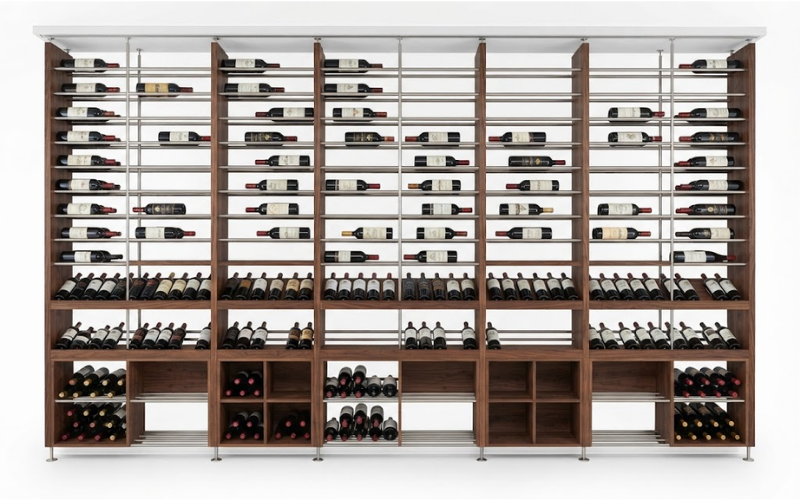
3. Custom Floor-to-Ceiling Wine Cellar Racks 🍷
Serious oenophiles often invest in custom climate-controlled wine rooms featuring floor-to-ceiling metal or mahogany racking. While lower racks sit near the floor for easy grabbing, premium vertical display columns built to maximize tight cellar corners routinely measure 100 inches from base to crown molding.
4. Oversized Antique Tall-Case Astronomical Clocks 🕰️
Standard grandfather clocks are impressive, but specialized master horologists built rare astronomical long-case clocks with extended mechanical movements. To house complex gear trains tracking lunar cycles, equinoxes, and solar time, these heavy hardwood cases frequently stand at a striking 100 inches tall.

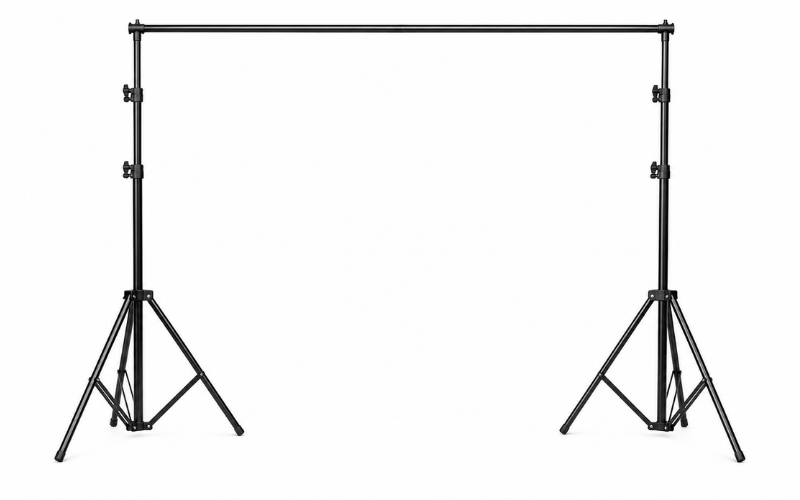
5. Professional Studio Photography Backdrop Stands 📸
In commercial portrait and fashion photography studios, capturing full-length subjects requires heavy-duty support gear. A professional background crossbar support system extended to its maximum vertical column height typically adjusts to approximately 100 inches, allowing seamless paper rolls to cascade down smoothly behind models.
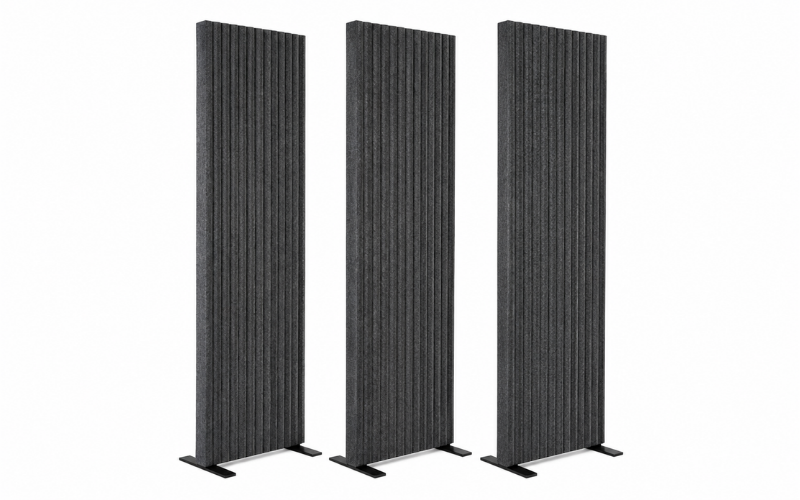
6. Tall Acoustic Soundproofing Panels 🎵
Recording studios and professional podcasting spaces rely heavily on vertical absorption baffles to control room acoustics and eliminate echo. Custom floor-standing heavy fiberglass or mineral wool acoustic panels are frequently manufactured to stand 100 inches high, providing maximum surface area coverage against high ceilings.
7. Modern Smart Retail Interactive Kiosks 🖥️
Self-service ordering kiosks, airport check-in terminals, and digital wayfinding touchscreens deployed in high-traffic transit hubs often feature tall, slender enclosures. To remain visible above crowds while housing large touch-sensitive panels and internal receipt hardware, these monolithic steel units stand right at 100 inches.

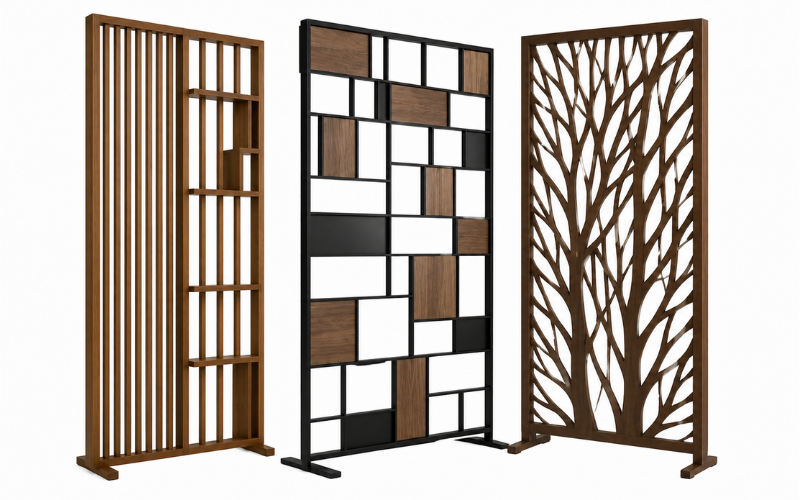
8. Custom Architectural Interior Room Dividers 🚪
In open-concept modern lofts where permanent walls are absent, homeowners use tall sliding panel partitions to zone spaces. These Japanese-inspired shoji screens or modern frosted glass sliding panels are often custom-built to a height of 100 inches to bridge the gap between the floor and open ceiling beams.
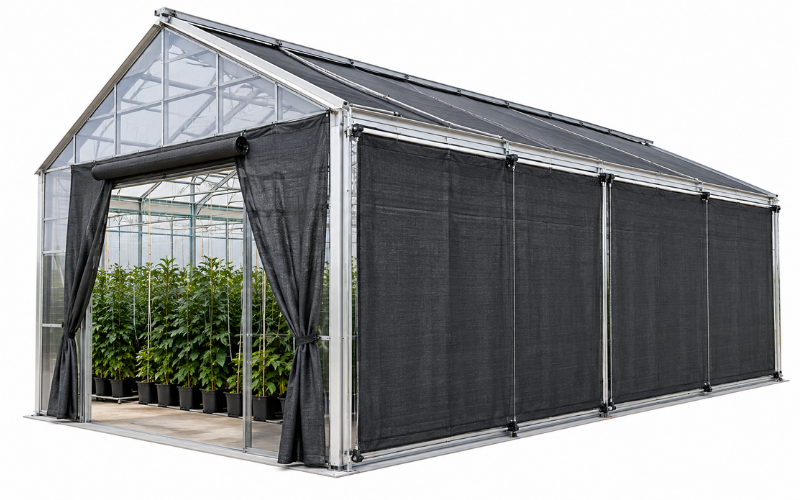
9. Heavy-Duty Commercial Greenhouse Shade Curtains 🌿
Large-scale agricultural nurseries utilize automated retractable thermal screens inside their glasshouses to regulate internal sunlight and heat. When deployed along vertical side-wall tracks in high-sidewall agricultural structures, these heavy woven fabric screens measure close to 100 inches in drop length.
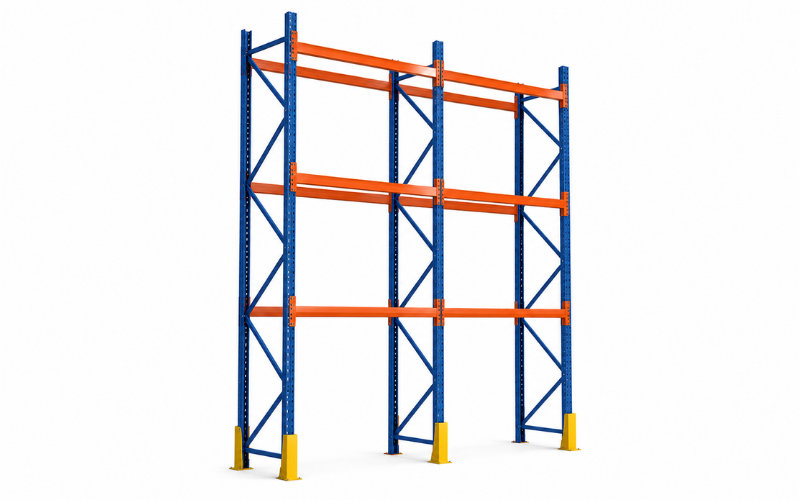
10. Tall Industrial Warehouse Pallet Racking Uprights 🏭
Distribution centers and fulfillment hubs rely on vertical steel upright frames to organize inventory storage racks. While multi-tier mega-warehouses stretch up to thirty feet, smaller urban fulfillment depots often utilize compact vertical rack upright frames that measure 100 inches tall for efficient intermediate-level bin storage.
The Engineering Challenge of 100 Inches 🏗️
Designing objects that stretch 100 inches vertically introduces unique physics problems that manufacturers must solve. When an object reaches past 8 feet tall, its center of gravity shifts drastically upward, making stability a primary engineering concern.
- Weight Distribution: Objects like grandfather clocks, tall bookshelves, and retail kiosks must incorporate weighted base plates or secure wall-anchoring hardware to prevent tipping hazards.
- Material Deflection: Wood, glass, and plastics begin to sag or warp under their own weight over long vertical spans. Engineers use reinforced aluminum extrusions or thicker structural panels to keep 100-inch surfaces completely plumb and true.
- Logistical Transport: Moving an object that is 100 inches long in a single rigid piece creates shipping nightmares. Most items engineered to this height require modular assembly on-site to fit through standard delivery vans and stairwells.
| Unit of Measurement | Value Equivalent to 100 Inches |
| Inches | 100 in |
| Feet & Inches | 8 ft, 4 in |
| Decimals of a Foot | 8.33 ft |
| Centimeters | 254 cm |
| Meters | 2.54 m |
| Yards | 2.78 yd |
Bio-Wiki Overview: The 100-Inch Vertical Benchmark 📋
| Parameter | Specification Data |
| Measurement Subject | 100 Inches (Vertical Linear Scale) |
| Dimensional Class | Imperial / US Customary System |
| Metric Standard | 2.54 Meters |
| Architectural Threshold | Transition point between standard residential scale and custom high-clearance design |
| Primary Structural Consideration | Center of gravity shift, tip resistance, and ceiling clearance limits |
Related Posts
- Unlocking Scale: 10 Common Things That Are 80 Inches Long
- 10 Common Everyday Things That Are 1 Inch Long
- 10 Everyday Objects That Measure Exactly 3 Inches Long
- 10 Common Everyday Things That Are 4 Inches Long
- 10 Common Things That Are 90 Inches Long
Frequently Asked Questions 🙋♂️
How do I calculate feet from inches quickly?
Divide your total inch count by 12, since there are 12 inches in every foot. For 100 inches, 100 divided by 12 yields 8 with a remainder of 4, giving you 8 feet and 4 inches.
Will a 100-inch tall object fit in a standard room?
It depends entirely on your ceiling height. Standard residential ceilings in modern construction are built at 9 feet (108 inches) or 8 feet (96 inches). If your ceiling is 8 feet high, a 100-inch item will be too tall to stand upright. Always measure your vertical clearance before purchasing tall furniture.
What is the metric equivalent of 100 inches?
In the metric system, 100 inches is precisely 2.54 meters or 254 centimeters, following the international yard agreement established in 1959.
Are doors usually taller than 100 inches?
Standard interior doors are significantly shorter, measuring 80 inches tall. However, grand entrance doors in luxury homes or commercial buildings frequently match or exceed the 100-inch threshold.
FOR MORE MEASUREMENTS VISIT: SIZE JOURNAL
1 thought on “10 Common Things That Are 100 Inches Tall 📐”