
Quick Overview: Understanding 100 Centimeters at a Glance
When measuring objects around the house, office, or outdoors, numbers like centimeters and meters pop up constantly. But when someone asks, how big is 100 cm, it can sometimes be tricky to visualize just by looking at a number. Simply put, 100 centimeters is equal to exactly 1 meter.
To give you an immediate mental picture, 100 cm is roughly the height of a standard kitchen counter from the floor to just above your waist, or the height of a standard toddler. It is a fundamental benchmark in the metric system, bridging the gap between smaller desk items and larger architectural dimensions. This guide explores the exact scale of 100 centimeters through everyday items, conversions, and practical visualization techniques.
What Is 100 Centimeters in Other Units of Measurement?
Before looking at physical objects, it helps to translate 100 cm into other familiar measurement systems. Depending on where you live, you might think in inches, feet, or yards.
Inches and Feet Conversion
- Inches: One centimeter is equal to approximately 0.3937 inches. Therefore, 100 centimeters equals 39.37 inches.
- Feet and Inches: Since 12 inches make a foot, 39.37 inches breaks down to 3 feet and 3.37 inches. This means 100 cm is just a little bit taller than a standard 3-foot yardstick.
Yards and Meters
- Yards: A standard yard is 36 inches (91.44 cm). At 39.37 inches, 100 cm is slightly longer than one full yard—about 1.09 yards.
- Meters: The prefix “centi” means one-hundredth. Thus, 100 centimeters make up precisely 1 meter.
The Bio-Wiki Quick Reference Table
| Metric Property | Value | Details |
| Total Length in cm | 100 cm | Exact metric base value |
| Length in Meters | 1 m | Standard SI unit of length |
| Length in Inches | 39.37 in | Imperial fractional conversion |
| Length in Feet | 3.28 ft | Decimal foot measurement |
| Common Equivalent | 1 Meter Stick | Standard classroom measuring tool |
| Visual Benchmark | Waist Height | Average counter or toddler height |
10 Common Things That Are 100 cm Big
To truly understand how big is 100 cm, looking at real-world objects is the most effective approach. Here are 10 common items that measure right around 100 centimeters.
1. The Classic Wooden Meter Stick
The most direct physical representation of 100 cm is a standard classroom meter stick. Unlike a flexible tailor’s tape or a pocket tape measure, a traditional wooden meter stick is rigid, straight, and divided clearly into 100 individual centimeter ticks and 1,000 millimeter ticks. Holding one vertically shows you precisely where one meter falls against your body.

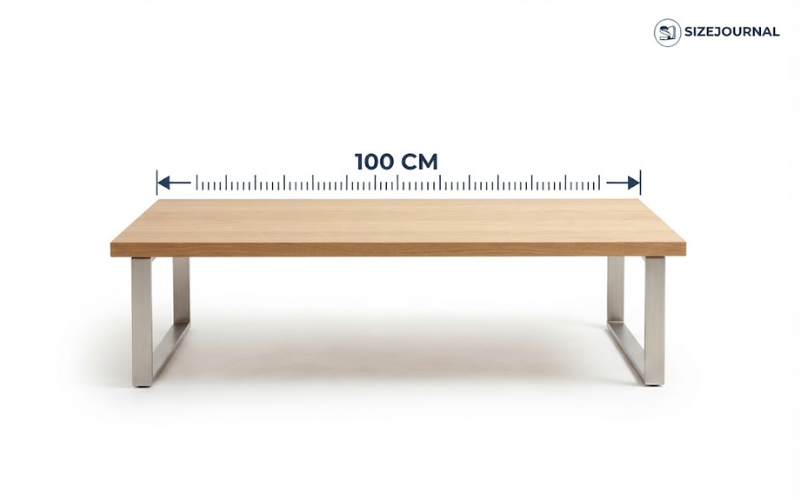
2. Standard Coffee Table Length
Many modern living room coffee tables are designed with ergonomics and room proportions in mind. A rectangular coffee table frequently measures around 100 cm in length (roughly 39 inches). This provides ample surface space for books, remote controls, and coffee mugs without overwhelming the center of a standard living room rug.
3. Medium Check-In Suitcase Height
When packing for a week-long trip, you likely reach for a medium or large suitcase. A standard medium check-in luggage piece typically stands right around 100 cm tall when measuring its total height from the floor, including the caster wheels and the fully extended or retracted top handle framework.

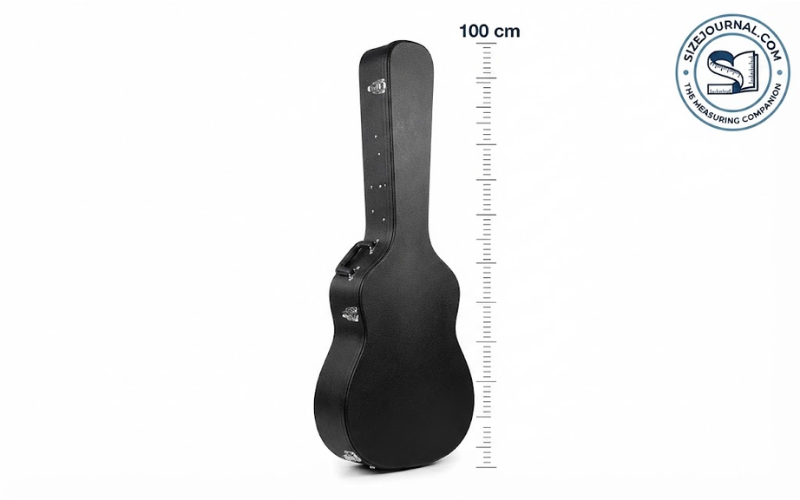
4. Acoustic Guitar Hard Case
Musicians know the importance of instrument protection. A hardshell case designed for a standard dreadnought or classical acoustic guitar is generally built to contour the instrument, resulting in an overall exterior length of approximately 100 to 105 cm. This ensures the guitar fits snugly without shifting during transport.
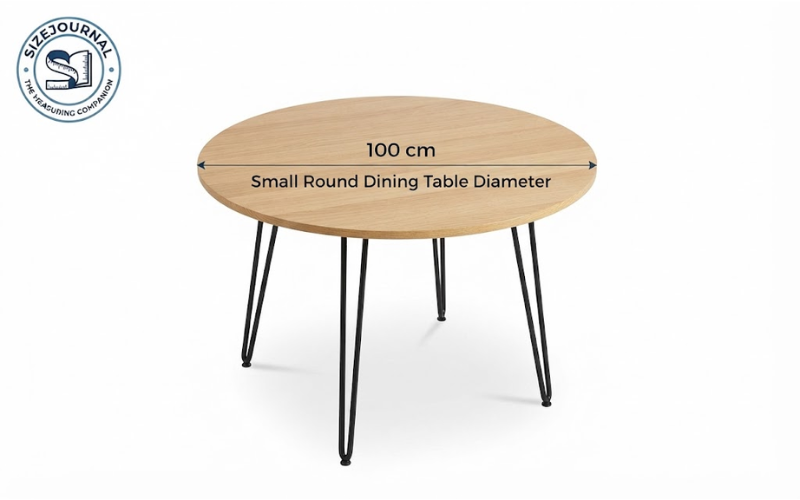
5. Small Round Dining Table Diameter
Compact dining spaces, breakfast nooks, and apartment kitchens often feature small dining tables meant for two to four people. A standard round dining table designed for intimate gatherings commonly has a diameter of 90 to 100 cm, offering enough surface area for plates and glasses while maintaining easy walk-around clearance.
6. Children’s Beginner Snowboard Length
Winter sports equipment scales with the rider’s height and skill level. For young children stepping onto the snow for the very first time, beginner snowboards often start at a length of 100 cm. This compact size makes it much easier for kids to turn, stop, and maintain balance on gentle bunny slopes.

7. Standard Ironing Board Surface Length
Chores around the house often involve standardized tools. If you measure the metal mesh surface of a standard household ironing board, the main ironing platform is typically right around 100 cm long (excluding the iron rest tray at the end). This length provides enough room to lay out shirts and trousers smoothly.

8. Compact Bar Fridge Height
Mini-fridges, office refrigerators, and dorm bar fridges are engineered to fit neatly under standard desks or counters. A typical mid-to-large mini-fridge stands right at 85 to 100 cm tall. When placed on the floor, the top surface reaches roughly waist-high, making it easy to grab a drink without bending down.

9. Standard Bookshelf Shelf Width
When organizing a home library or office study, wooden shelving units are built for structural integrity and book storage capacity. Many modular bookshelves feature individual shelf spans or vertical section widths measuring 100 cm across, which prevents the wood from sagging under the weight of heavy hardcovers.

10. Large Floor Fan Height
During hot summer months, oscillating pedestal fans keep indoor air circulating. A standard adjustable floor fan, when extended to its maximum height setting from the circular base up to the top safety grille handle, stands right around 100 cm tall.

Practical Ways to Visualize 100 Centimeters in Daily Life
When you do not have a tape measure handy, visualizing measurements relies on knowing your own body proportions or using environmental clues.
Using Your Body as a Ruler
- The Waist Check: For many adults of average height, a point 100 cm from the floor hits right around the hip bone or belly button area.
- The Arm Span / Step: While a full adult arm span is typically equal to your height (much more than 100 cm), taking a deliberate, large stride forward often covers roughly 70 to 100 cm depending on your height and leg length.
Common Household References
- Two Standard Rulers: Standard school rulers are 30 cm (or 12 inches) long. Placing three 30 cm rulers end-to-end gets you to 90 cm, and adding just 10 more centimeters gives you your full 100 cm mark.
- A Standard Doorway Width: While many exterior entry doors are wider, standard interior residential doorways are often around 70 to 90 cm wide, meaning 100 cm is just slightly wider than your average bedroom door opening.
Related Posts
- 10 Common Everyday Things That Are 4 Inches Long
- 10 Everyday Objects That Are Exactly 6 Inches Long
- 10 Everyday Objects That Are Exactly 7 Inches Long 📏
- 10 Everyday Objects That Are 80 Cm Big
- 10 Common Things That Measure Exactly 90 Centimeters
Frequently Asked Questions About 100 Centimeters
How many inches are in 100 cm?
There are 39.37 inches in 100 centimeters. This makes it just over three feet and three inches long.
Is 100 cm equal to one meter?
Yes, exactly. The metric system is based on powers of ten, where “centi” means one-hundredth, meaning it takes 100 centimeters to make a single meter.
How can I measure 100 cm without a tape measure?
You can use three standard 30 cm school rulers placed end-to-end and add an extra 10 centimeters (about the width of four adult fingers) to reach 100 cm.
What is the difference between 100 cm and 1 meter?
There is no difference at all. They represent the exact same physical length expressed in two different metric units.
Are doorways usually 100 cm wide?
Standard interior doors in homes are usually around 75 to 90 cm wide, so 100 cm is slightly wider than a typical indoor doorway, making it roughly comparable to a wide entry or accessible door frame.
Final Thoughts on Measuring and Visualizing Scale
Understanding scale transforms abstract numbers into tangible reality. Whether you are shopping for furniture, planning a DIY project, or simply curious about metric dimensions, knowing that 100 centimeters equals one meter opens up a clear point of reference. By keeping everyday benchmarks—like a meter stick, a suitcase, or a coffee table—in mind, you can easily gauge size anywhere you go.
FOR MORE MEASUREMENTS VISIT: SIZE JOURNAL
3 thoughts on “10 Everyday Objects That Measure Exactly One Meter”