

| Metric Fact-File | Details |
| Measurement Unit | Centimeter (cm) |
| SI Base Unit | 0.01 meters |
| Millimeter Equivalent | 10 millimeters (mm) |
| Imperial Equivalent | Approx. 0.39 inches |
| Primary Context | Everyday object sizing, tailoring, stationary, biology |
When trying to visualize dimensions without a physical ruler on hand, things can get surprisingly tricky. People often wonder how big is 1cm when they are shopping online, working on a craft project, or trying to understand scale specifications. A centimeter is compact, sitting neatly at one-hundredth of a meter or exactly ten millimeters. Because it is small enough to fit on the tip of your finger yet large enough to distinguish with the naked eye, it serves as one of the most practical units of measurement in the metric system.
To give you a clear mental picture, let’s explore ten everyday objects that measure right around one centimeter, making size estimation second nature.
Quick Reference Snapshot ⏱️
If you are in a rush and need an instant mental benchmark for how big is 1cm, keep these common items in mind:
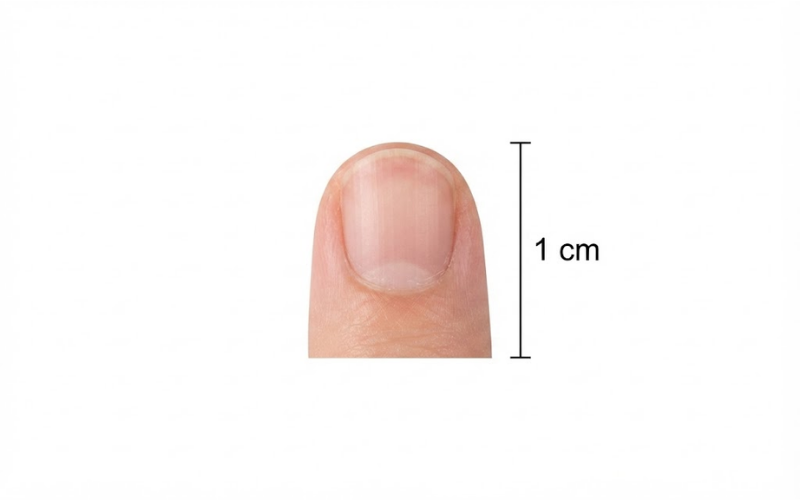
- An average adult pinky fingernail width 💅
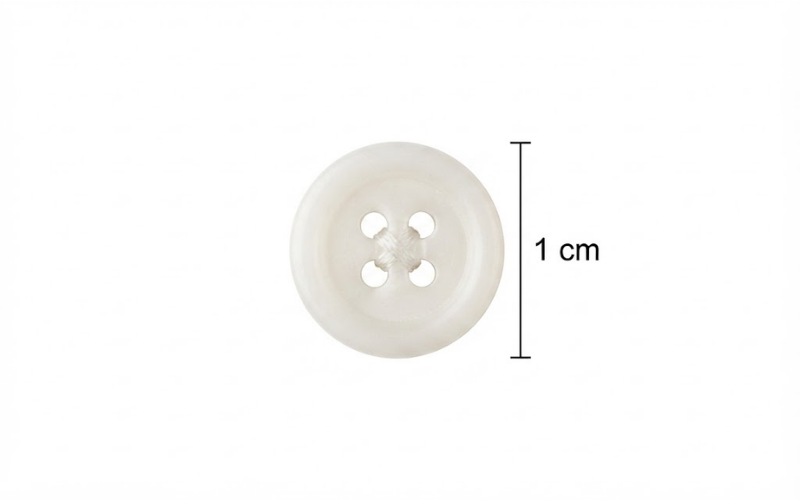
- A standard shirt button diameter 🔘
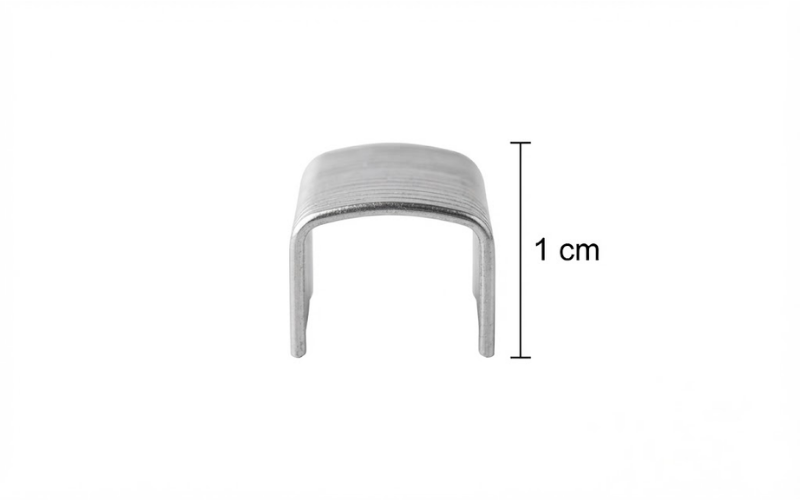
- A small office stapler pin length 📎
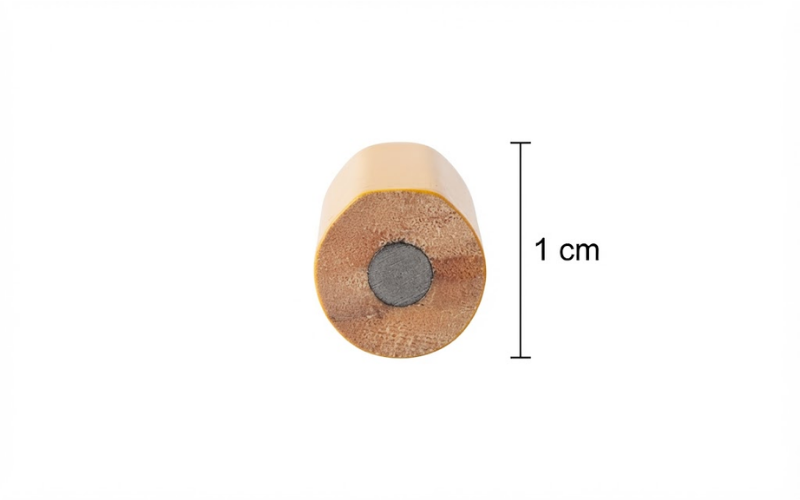
- The thickness of a standard wooden pencil ✏️
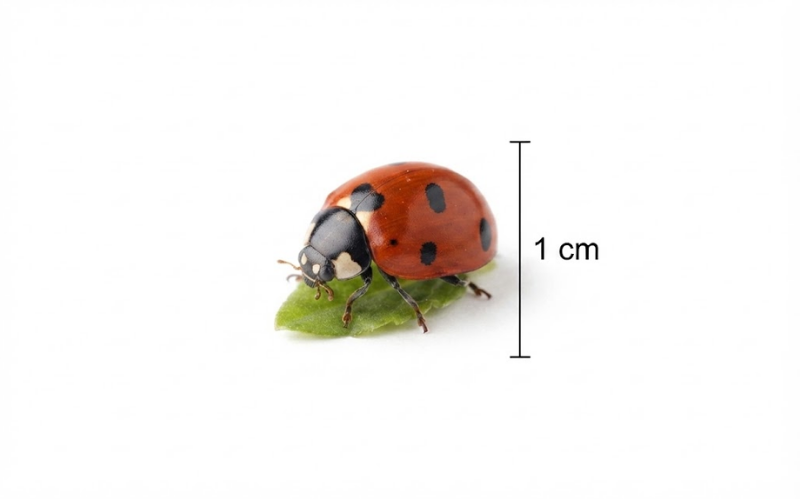
- A full-grown adult ladybug 🐞
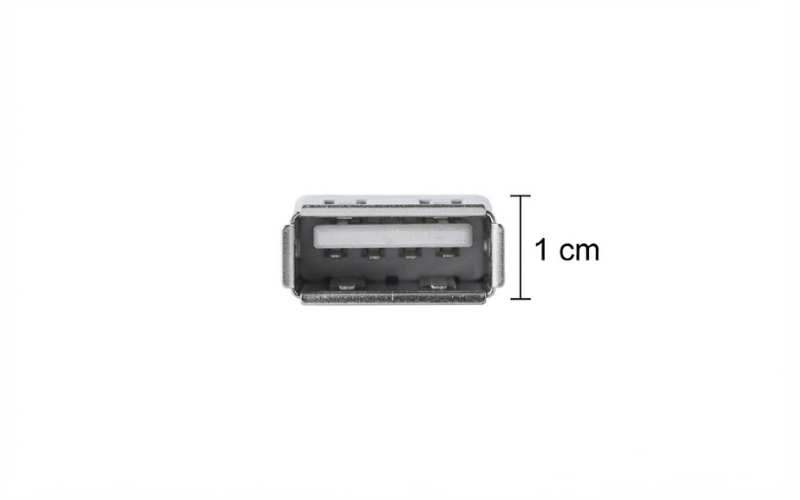
- The vertical opening height of a USB port 🔌
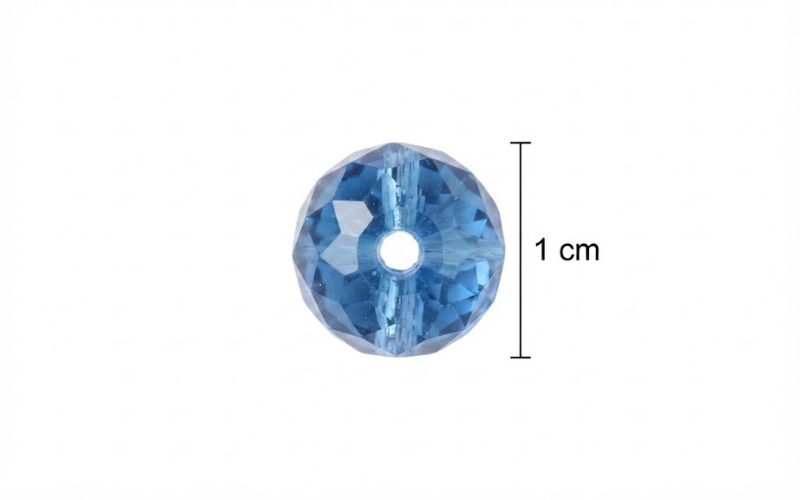
- A medium crafting bead or pearl 📿
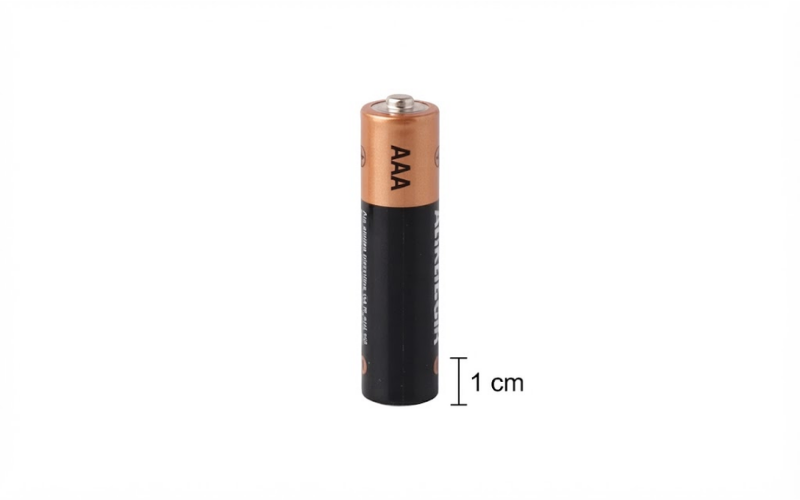
- The diameter of a AAA battery 🔋
- A small, bite-sized blueberry 🫐
- The radius of a standard US penny coin 🪙
1. The Width of an Adult Fingernail 💅
One of the handiest and most accessible ways to answer how big is 1cm is to simply look at your own hand. For many adults, the width of the pinky fingernail or the index finger’s top joint width closely approximates one centimeter. Because your hands are always with you, this built-in ruler requires no extra tools.
When tailors, artists, or DIY enthusiasts need to quickly gauge a small gap or item width, they often use their fingers as a rough reference gauge. While human hand sizes vary slightly, the average adult pinky nail is remarkably close to this metric milestone, making it a reliable baseline for everyday estimations.
2. A Standard Shirt Button 🔘
Look down at the shirt, blouse, or cardigan you are wearing right now. Chances are, the buttons fastening the front are right around one centimeter across. Standard shirt buttons are intentionally manufactured to be small enough to slip smoothly through fabric buttonholes without pulling or distorting the material, yet large enough for human fingers to grasp comfortably.
Button makers rely heavily on standard metric scales during production. A classic, everyday shirt button usually measures precisely 10 millimeters across its face. The next time you button up your cuffs or collar, you are interacting with a textbook example of a centimeter in real life.
3. A Small Staple Pin 📎
Office and school supplies are goldmines for exact measurements. If you pop open a standard desktop stapler and look at the individual wire pins inside, you will find another precise representation of the scale. While heavy-duty industrial staples are much larger, standard desk staples feature a crown width or leg length that hits right around the one-centimeter mark.
These tiny pieces of formed wire are engineered for consistency. Because millions of them are manufactured daily to exact industrial tolerances, they offer a uniform physical standard that you can measure with a ruler anytime you need to verify what one centimeter actually looks like in a mechanical context.
4. The Thickness of a Wooden Pencil ✏️
We have all held a standard yellow number-two pencil countless times throughout our lives, but most people rarely think about its geometric dimensions. If you look at the cross-section of a standard hexagonal or round wooden pencil, its diameter spans roughly one centimeter.
This specific thickness is not chosen at random; it is the result of decades of ergonomic design. Pencil manufacturers found that a roughly 10-millimeter thickness provides the ideal balance for a comfortable human grip, leaving enough internal space for a sturdy graphite core while preventing hand fatigue during long writing sessions.
5. A Ladybug (Coccinellidae) 🐞
Nature provides some of the most charming living benchmarks for measurements. A mature ladybug—often referred to as a ladybird beetle—typically grows to a length ranging between 0.8 and 1 centimeter. These familiar red-and-black spotted insects are instantly recognizable garden residents.
Finding a ladybug resting on a garden leaf gives you a living, breathing reference point for small metric lengths. Their compact, oval bodies fit comfortably within this tiny physical boundary, reminding us that intricate biological structures can thrive on a millimeter scale.
6. The Height of a USB Port Opening 🔌
Modern technology is filled with standardized ports and connectors, many of which adhere strictly to metric blueprints. If you look closely at the rectangular metal housing of a standard USB-A or USB-C port on your laptop, charging brick, or desktop computer, you will notice its height is roughly one centimeter.
Engineers design these ports to maximize space efficiency while accommodating data transfer pins and structural shielding. This makes computer peripherals and charging cables surprisingly useful modern benchmarks for anyone trying to visualize small hardware clearances.
7. A Medium Crafting Bead or Pearl 📿
If you have ever dabbled in jewelry making, friendship bracelets, or arts and crafts, you are likely familiar with standard bead sizes. Beads sold in craft stores come in various dimensions, but the popular medium-sized round beads frequently measure precisely 10 millimeters in diameter.
These beads are large enough to string easily onto yarn or wire, yet small enough to create intricate patterns without becoming bulky. Their spherical symmetry makes them fantastic physical objects for rolling, measuring, and testing spatial awareness in educational or creative settings.
8. A AAA Battery Diameter 🔋
Portable electronics rely heavily on standard battery sizes defined by international electro-technical commissions. While a AA battery is noticeably wider and longer, its smaller sibling—the AAA battery commonly found in remote controls, flashcards, and small digital gadgets—has a diameter that measures right at one centimeter (10 mm).
While its total length is longer (about 4.4 centimeters), the circular cross-section matches the exact width of our target metric unit. Handling a AAA battery gives you a solid, weighted object to help anchor your understanding of small cylindrical dimensions.
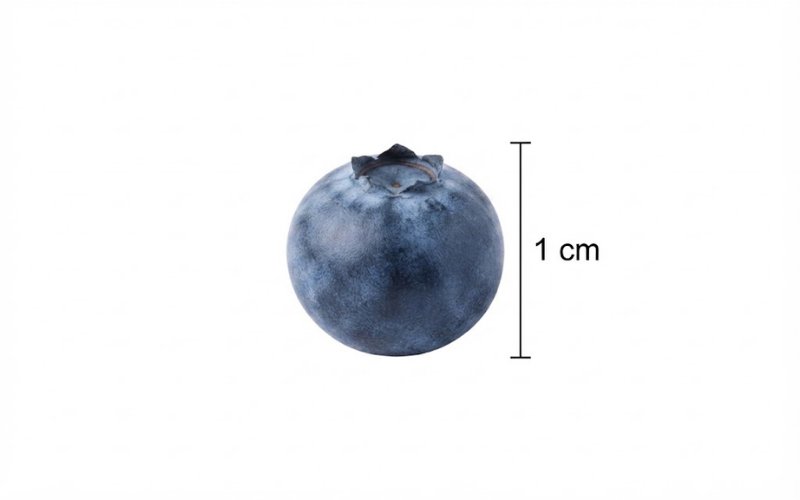
9. A Small Fresh Blueberry 🫐
Kitchen ingredients offer delicious ways to explore geometry. While commercial berries vary widely based on agricultural conditions and species, a small-to-medium fresh blueberry typically spans about one centimeter across its widest spherical section.
Fresh produce brings an organic irregularity to measurement. Observing a handful of blueberries reveals that while nature rarely manufactures identical items, the average clustering centers tightly around this specific metric threshold, making baking and snack-portion estimations delightfully intuitive.
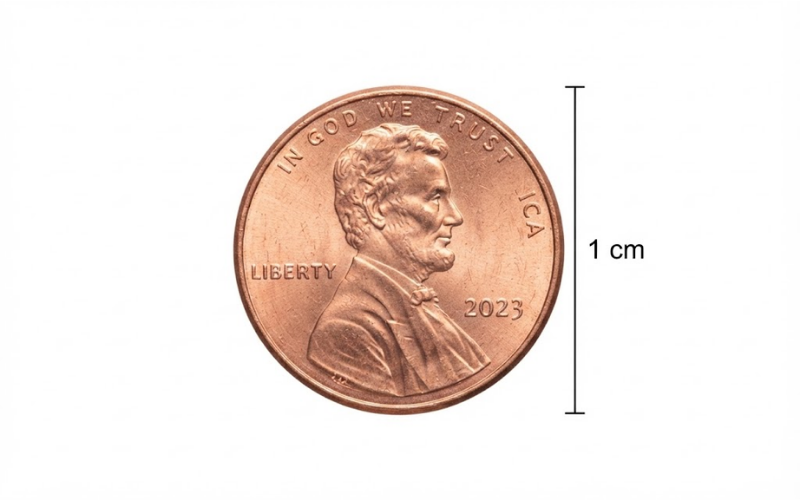
10. The Radius of a US Penny Coin 🪙
Currency dimensions are tightly regulated by government mints, making them exceptionally reliable physical references. While the total diameter of a United States penny coin is about 1.9 centimeters, its radius—the distance from the exact center edge to the outer rim—is nearly 1 centimeter (roughly 0.95 cm).
Holding a penny and imagining half of its total width gives you an immediate, tangible grasp of the metric scale. Coins are heavy, metallic, and completely flat, offering a stark contrast to softer organic items like berries or insects.
Related Posts
- 10 Common Things That Are 100 Inches Tall
- 10 Common Things That Are 90 Inches Long
- Unlocking Scale: 10 Common Things That Are 80 Inches Long
- 10 Common Things That Are 70 Inches Tall
Frequently Asked Questions About 1 Centimeter Measurements ❓
How many millimeters are in 1 cm?
There are exactly 10 millimeters in 1 centimeter. The metric system is built on powers of ten, making conversions between centimeters and millimeters exceptionally straightforward. To convert centimeters to millimeters, simply multiply the centimeter value by 10.
Is 1 cm bigger than 1 inch?
No, 1 centimeter is smaller than 1 inch. One inch is equal to exactly 2.54 centimeters. Conversely, one centimeter is equal to approximately 0.39 inches, meaning an inch is more than two and a half times larger than a centimeter.
What is the easiest way to visualize 1 cm without a ruler?
The easiest physical reference is the width of an average adult pinky fingernail or the diameter of a standard shirt button. Both of these items naturally sit right around the 10-millimeter threshold and are readily available in daily life.
Why do we use centimeters for everyday objects?
Centimeters provide an ideal scale for measuring items that are too large to parse comfortably in millimeters, yet too small to require meters. They bridge the gap between microscopic details and human-sized architectural dimensions, making them perfect for clothing, stationery, furniture clearances, and design work.
Conclusion
Understanding scale becomes much easier once you link abstract numbers to physical items you interact with every day. Whether you are looking at the buttons on your shirt, the width of a pencil, or a coin in your pocket, the metric world is full of reliable benchmarks waiting to be noticed.
FOR MORE MEASUREMENTS VISIT: SIZE JOURNAL