
Quick Answer: Understanding the Scale of 4 Centimeters
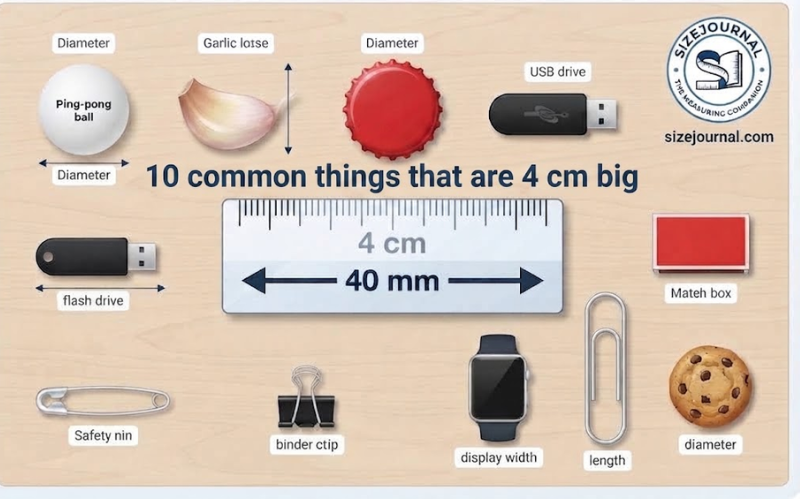
If you are wondering how big is 4 cm, the short answer is that 4 centimeters equals 40 millimeters or approximately 1.57 inches 📏. To put it into perspective, it is roughly the size of a standard ping-pong ball’s diameter, the height of a small matchbox, or the width of two adult fingers held side by side 🖐️.
Measuring things accurately when you do not have a ruler nearby can be frustrating. Whether you are shopping online, working on a craft project, or trying to understand product dimensions listed in a manual, having reliable mental references changes everything. This guide breaks down the exact scale of 4 centimeters using familiar items you likely already have sitting around your house, office, or kitchen 🏠.
BioWiki: Core Profile of a 4-Centimeter Dimension
| Metric Property | Specification | Imperial Equivalent | Practical Description |
|---|---|---|---|
| Exact Length | 4 centimeters | 1.57 inches | Just under one and a half inches |
| Millimeters | 40 millimeters | 40,000 micrometers | Standard metric sub-unit breakdown |
| Percentage of Meter | 4% of a meter | 0.04 meters | Small fraction of a standard meter stick |
| Visual Scale | Small-to-medium | Palm-sized reference | Fits comfortably across two fingers |
| Common Uses | Small hardware, displays, labels | Packaging, accessories, components | Everyday manufactured goods and items |
Why Mentally Visualizing Measurements Matters
Humans are visual creatures. When someone tells you that an item has a length or width of 4 cm, your brain needs a frame of reference to understand what that actually looks like in the real world 🧠. Without a mental catalog of sizes, numbers on a spec sheet remain abstract digits.
The metric system is wonderfully logical, based entirely on multiples of ten, but translating numbers into physical reality takes practice. While 1 centimeter is roughly the width of a shirt button or the thickness of a standard pencil, scaling that up by four gives us a wonderfully versatile dimension. It is large enough to be easily handled with your fingers, yet small enough to fit compactly into pockets, toolboxes, and storage drawers 🧰.
Knowing how big is 4 cm helps prevent sizing mistakes when ordering items online, assembling furniture, or crafting miniature models. Let us explore ten everyday objects that match this exact measurement.
10 Common Things That Are 4 cm Big
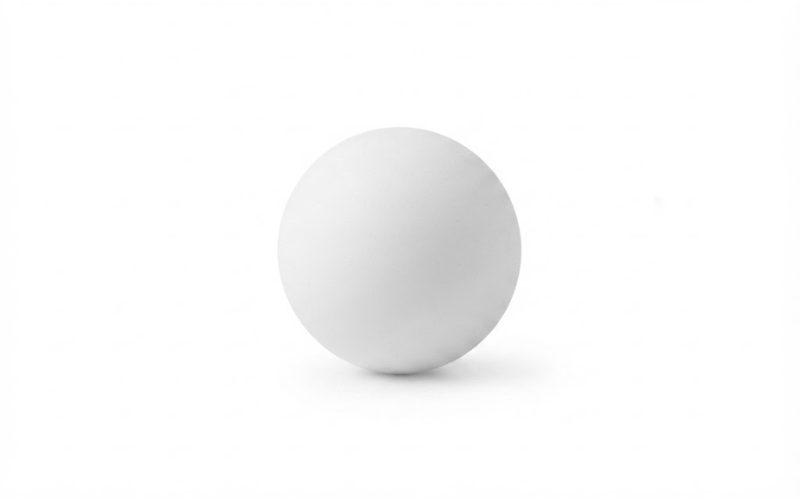
1. A Standard Ping-Pong Ball (Diameter)
One of the most precise and universally recognized examples of a 4 cm measurement is the diameter of an official table tennis ball 🏓. According to international sports regulations, a standard ping-pong ball measures exactly 40 millimeters across, which translates cleanly to 4 centimeters.
If you happen to have a table tennis ball lying around in a game room or garage, pick it up and look at it. The straight-line distance straight through the absolute center of that ball from one side to the other is precisely 4 cm. Because these balls are perfectly spherical, you get an identical measurement no matter which angle you measure. This makes it an elite mental anchor for anyone trying to visualize volume and diameter on a small scale.
2. A Large Garlic Clove (Length)
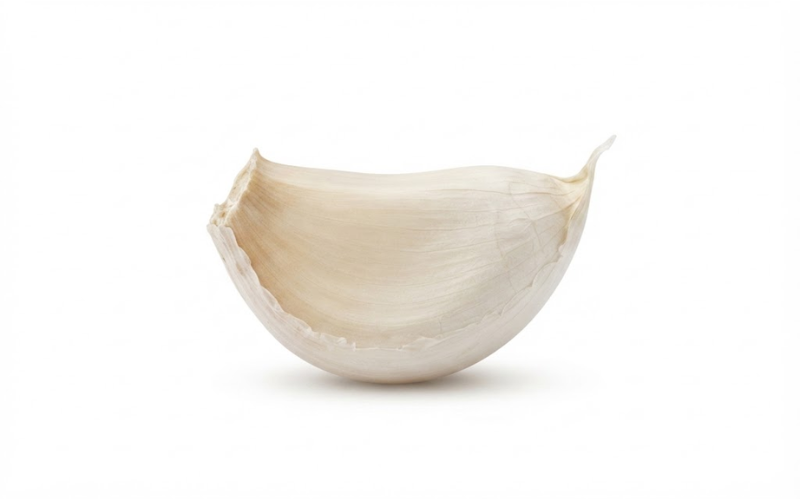
If you head into your kitchen and rummage through the vegetable basket, you will likely find another great example: a large garlic clove 🧄. While garlic bulbs contain cloves of varying shapes and sizes, a healthy, well-developed outer clove from a standard bulb frequently measures right around 4 centimeters from its root end to its pointed tip.
Chefs and home cooks deal with small measurements constantly when chopping vegetables, slicing herbs, or measuring ingredients. Next time you are peeling garlic for dinner, take a moment to look at a sizable clove. That length gives you an organic, everyday reference point that feels completely natural to hold and evaluate.
3. A Bottle Cap From a Large Beverage Container (Diameter)
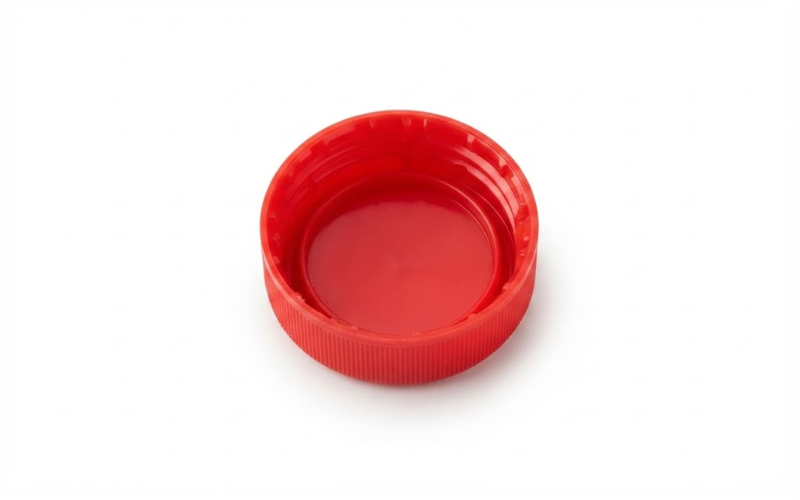
Look at the cap of a standard plastic soda bottle, sports drink, or large water container 🍼. Many wide-mouth bottles feature caps designed for an easy, secure grip that measure approximately 4 centimeters in diameter.
While smaller bottled water caps might run closer to 2.5 or 3 cm, larger beverage caps scale up nicely to hit that 4 cm mark. Twisting off a cap and looking across its circular face gives you an immediate physical sense of 4-centimeter breadth. It is an object you interact with almost every single day, making your brain already familiar with its tactile footprint.
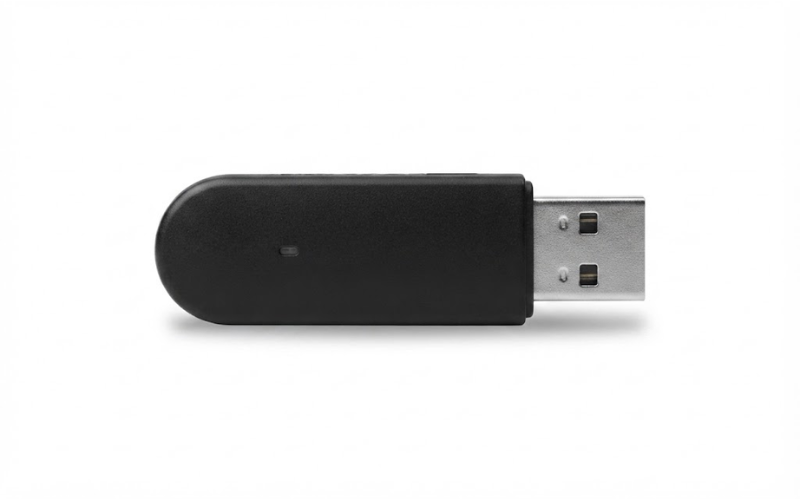
4. The Metal USB Flash Drive Connector (Length and Width proportions)
In our modern digital lives, electronic accessories are everywhere. Take a look at a traditional USB Type-A flash drive—the classic rectangle storage stick we have used for decades 💻. The metal connector portion that plugs into your computer port generally measures right around 1.2 to 1.5 centimeters in width, but the overall housing or specialized compact connector designs often approach dimensions near 4 cm.
Engineers design these ports and components to fit comfortably inside human hands while maintaining structural strength. When you picture plugging a thumb drive into a laptop slot, you are interacting with structural dimensions scaled tightly around the centimeter and millimeter thresholds.
5. A Traditional Matchbox (Height or Width)
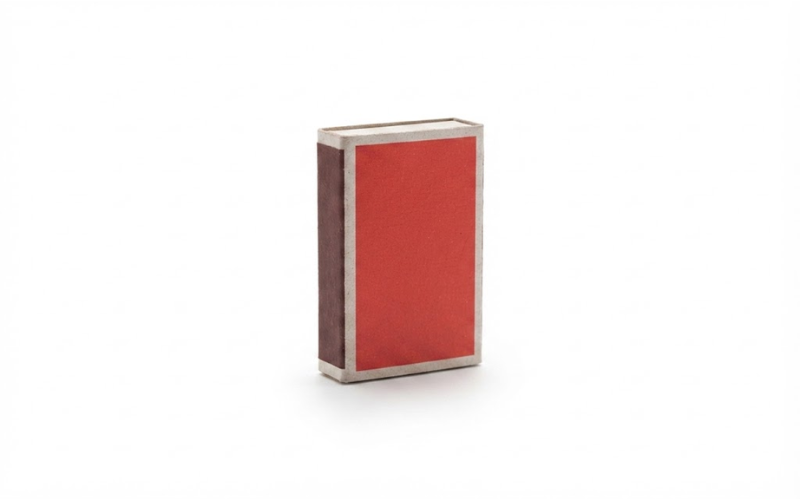
If you inspect an old-school cardboard matchbox, you will find a classic container whose rectangular proportions have remained relatively unchanged for generations 🔥. While matchboxes vary depending on the brand and regional styles, many traditional pocket-sized matchboxes feature a short side or height measuring close to 4 centimeters.
Matches were built to fit neatly inside a pocket or match striker kit without taking up excess room. Holding a matchbox lets you feel a clean, 90-degree rectangular shape that demonstrates how 4 cm looks in terms of depth, height, and perimeter boundaries.
6. A Standard Safety Pin (Length)
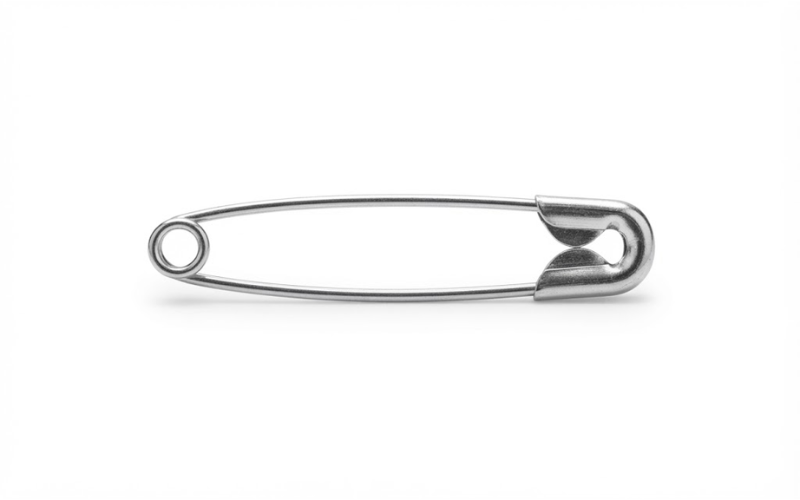
Sewing boxes and emergency repair kits almost always contain a stash of safety pins 🧷. A standard, medium-to-large safety pin when closed usually measures roughly 3.8 to 4 centimeters in length.
Because they are rigid, straight, and metallic, safety pins offer an exceptional linear measuring tool when you do not have a ruler nearby. If you need to check an item’s length and happen to have a standard safety pin handy, laying it flat next to an unknown object gives you an instant, reliable comparison to verify if something is close to 4 cm long.
7. A Small Office Binder Clip (Width)
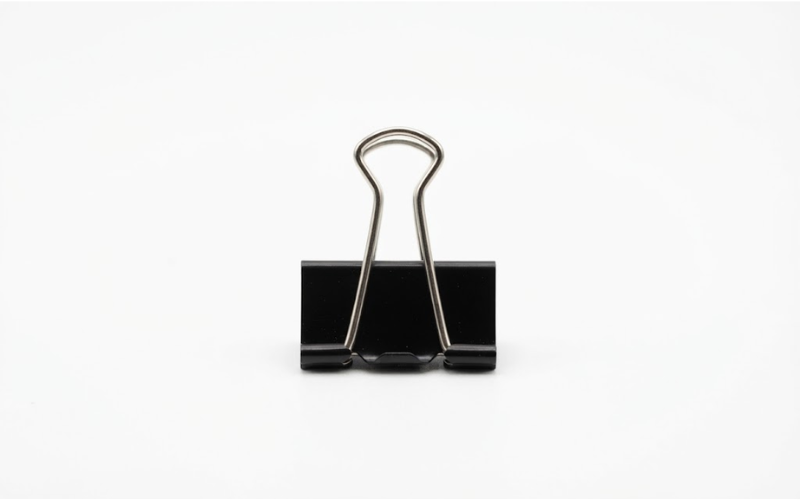
Office supply drawers are full of standardized sizing. If you grab a small black metal binder clip—the kind with the silver wire handles that fold down—you will find that the width of the flat metal base often hovers right around 4 centimeters 📎.
Binder clips are engineered for efficiency and organization. Their consistent manufacturing means they provide a reliable physical standard. The next time you are sorting through paperwork, take a look at the span of a small binder clip to refresh your mind on what 4 centimeters of width looks like in an office setting.
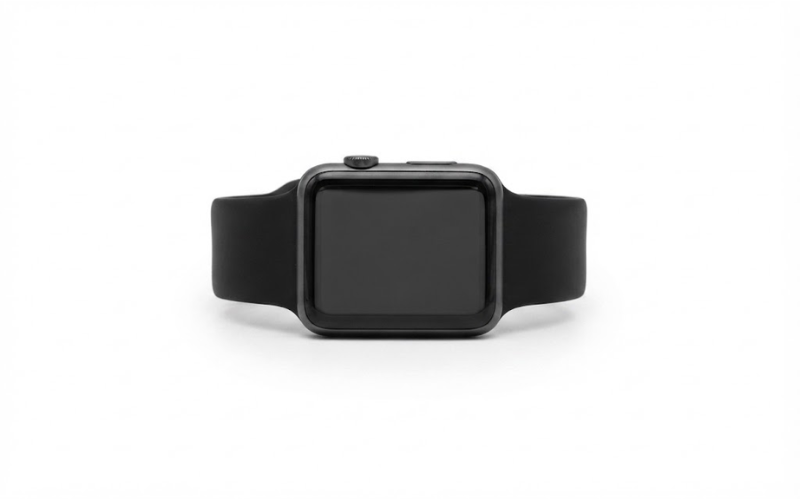
8. A Smartwatch Display Screen (Width on Compact Models)
Wearable technology has exploded in popularity, sitting directly on our wrists day and night ⌚. Many compact, entry-level, or fitness-focused smartwatches feature a square or circular display screen width measuring right around 4 centimeters.
Manufacturers carefully optimize these screen sizes to ensure the device remains comfortable on a wrist without feeling bulky, while still keeping text and health metrics readable. If you wear a fitness tracker or smartwatch, check its specifications or measure the glass face across. chances are high you are wearing a 4 cm display right now.
9. A Jumbo Office Paperclip (Length)
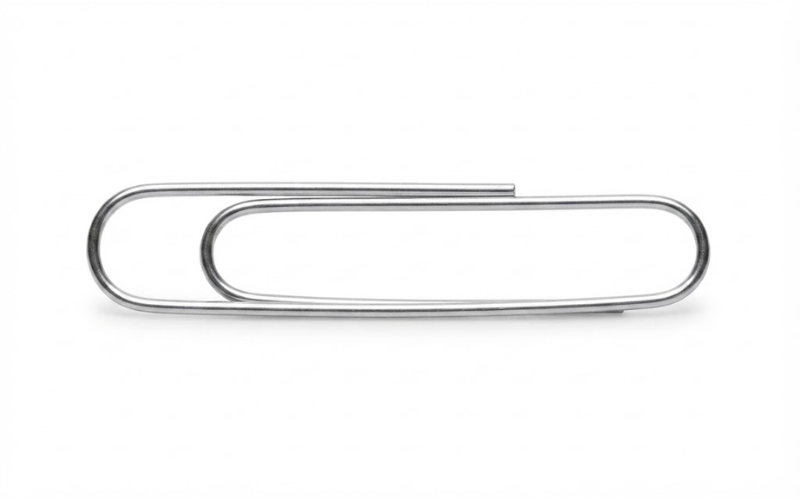
While standard small paperclips are usually around 2.5 cm long, their larger cousins—known as jumbo paperclips—scale up to reach a full 4 centimeters in length 📑.
These oversized wire clips are designed to bind thicker stacks of documents that would otherwise slip out of a standard clip. Stretching one out or simply looking at it lying across a document gives you a straight-line linear reference that is remarkably accurate for quick sizing estimations.
10. A Small Cookie or Bite-Sized Bakery Treat (Diameter)
Baking and food preparation offer delicious ways to understand geometry 🍪. Many homemade drop cookies, bite-sized shortbreads, or decorative pastry rounds are portioned using cookie cutters or spoons that yield a finished diameter close to 4 centimeters.
This size is ideal for a single-bite snack—not too large to be messy, and not too small to feel unsatisfying. Visualizing a small, neatly baked sweet treat gives you a friendly, everyday mental image of a 4 cm circular diameter.

How to Measure 4 cm Without a Ruler
What happens if you need an exact 4 cm measurement right this second and none of the objects above are within arm’s reach? Do not worry, because your own body and common household items can come to the rescue 🤲.
- Finger Width Rule: An average adult human finger measures roughly 1.5 to 2 centimeters wide near the middle knuckle. Placing two adult fingers side by side gives you a remarkably close approximation of 4 centimeters.
- Standard Coin Combinations: While a single coin rarely hits 4 cm, looking at currency dimensions can help. For instance, stacking certain small international coins or pairing items like guitar picks can get you very close.
- The Dollar Bill Trick: Currency paper length and width ratios are strictly regulated. While a US dollar bill is much longer than 4 cm, folding it into precise fractions allows you to estimate smaller units. However, relying on your fingers or a standard plastic card thickness multiplied out is usually much faster.
Keeping these quick estimation tricks in mind ensures you are never truly stuck when evaluating small dimensions on the fly.
Related Posts
- 10 Common Things That Are 3 cm Big
- 10 Common Things That Are 2 cm Big
- 10 Common Things That Are 1 cm Big
Frequently Asked Questions About 4 Centimeters
How many inches is 4 cm?
4 centimeters is equal to approximately 1.57 inches. If you are working with fractions of an inch, it is just a tiny bit larger than 121 inches.
Is 4 cm considered a large size?
In the context of everyday objects, hardware, and crafting, 4 cm is considered a small-to-medium measurement. It is compact enough to fit in a pocket, yet large enough to manipulate easily with your fingers.
How many millimeters are in 4 cm?
There are 40 millimeters in 4 centimeters. Because the metric system multiplies by tens, converting centimeters to millimeters simply requires moving the decimal point or multiplying by ten (4×10=40).
Can I use a smartphone to measure 4 cm?
Yes. Many augmented reality measuring applications or digital screen rulers can display a true 4-centimeter line on your smartphone screen, provided the app is properly calibrated to your specific screen resolution and size.
Conclusion
When you break down measurements like 4 centimeters into tangible, everyday objects—from the diameter of a ping-pong ball to the width of a binder clip—understanding scale becomes second nature. Next time you encounter a specification sheet or a product description mentioning this dimension, you will instantly visualize how big 4 cm really is without needing to hunt down a tape measure 🎯.
FOR MORE MEASUREMENTS VISIT: SIZE JOURNAL